
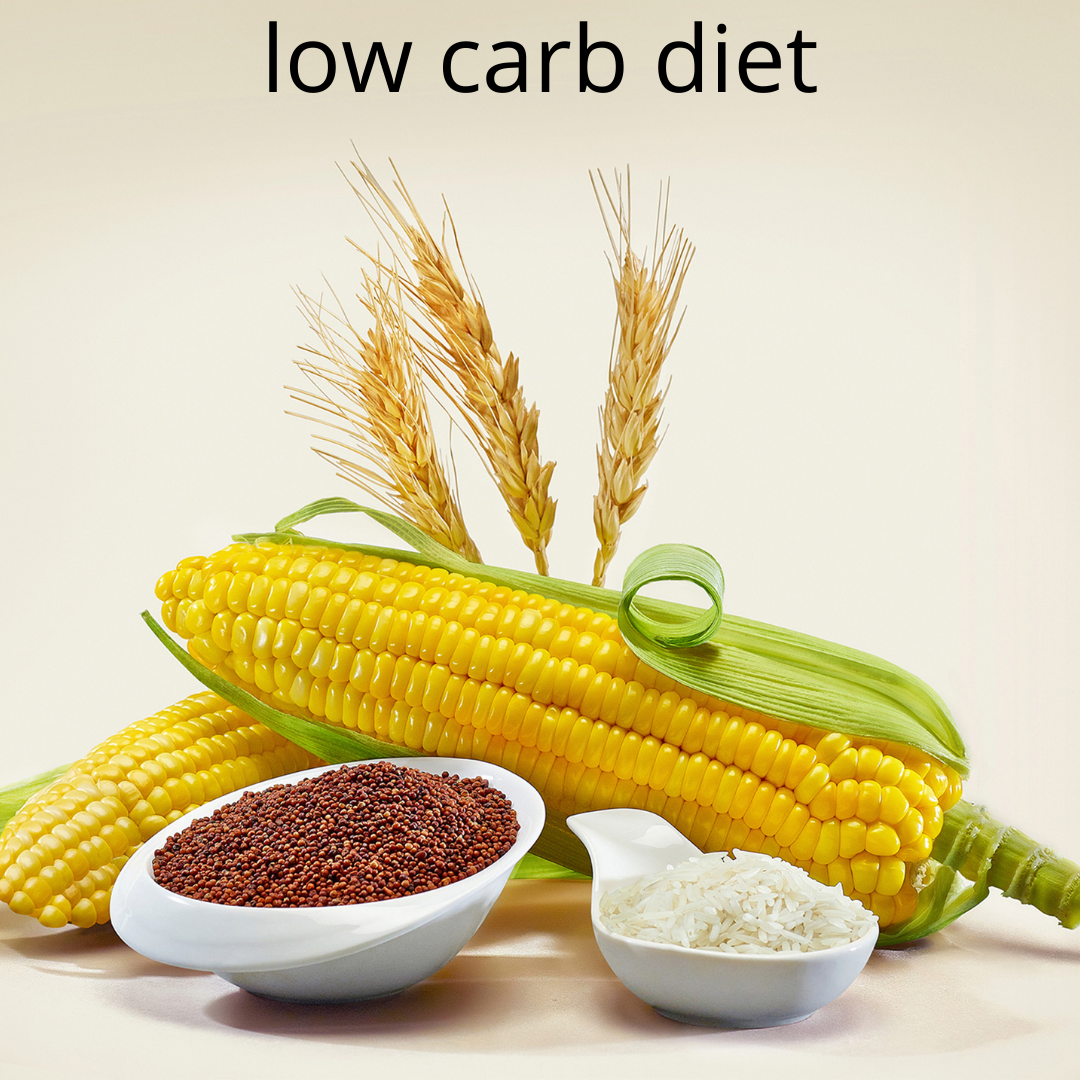
Low carb diet plan
This low carb diet plan is mainly intended for overweight people and diabetics. But it is not always easy to follow in the long term.
The low carb diet plan is, as its name suggests. A low carbohydrate diet which, when properly conducted (with vegetables), is balanced.
What is the low carb diet plan?
This diet is based on the more or less strict restriction of carbohydrates, especially sugars and carbohydrates sources of starch. The amount of carbohydrates consumed daily depends on your weight or health goals.
The range is very wide: between 15 g of carbohydrates per day for the strictest diet and 130 g for the most permissive.
But to arrive at these limited quantities, it is necessary to eliminate or considerably reduce certain common foods such as bread, pasta, rice, sugar, potatoes … and replace them with meat, fish, low carbohydrate vegetables. , nuts, fats (well-selected), low glycemic fruits (in more or less large quantities).
This regime has long had a bad press. It departs (a lot) from the recommendations of health authorities. Which recommend starchy foods at every meal. And explain that carbohydrates are the body’s primary source of energy and that they are essential for the body.
In fact, according to the United States Institute of Medicine, the minimum carbohydrate requirement, once the body obtains enough fat and protein, are probably close to zero: the body can do without them as the first. energy source. From fat (ingested or stored), the body makes ketone bodies that serve as an alternative fuel. When the production of ketone bodies is sufficient, the body is said to be in a state of ketosis.
In the ketogenic low-carbohydrate diets, as their name suggests, there is a strong reduction of carbohydrates to favor its consumption. In this setting, the body uses fats as fuel by producing ketone bodies from dietary fat and from fat stored in the body itself.

The main fatty acid oxidation products are acetoacetate, β-hydroxybutyrate, and acetone: three molecules that can be used for energy or synthesized into new fats.
The low carbohydrate intake produces low insulin levels, which causes a loss of water and sodium due to low insulin action on kidney tubules, causing them to excrete excess sodium (12). As salt and water retention decrease, blood pressure drops (13).
There is also an increase in the liberation of free fatty acids from adipose tissue and a low level of low-density lipoprotein (LDL) oxidation, leading to low levels of LDL cholesterol.
The low carbohydrate intake also reduces plasma glucose concentration, stimulating insulin secretion and favoring glucagon secretion (8).
The activation of gluconeogenesis is diminished, and insulin secretion decreases the stimulus to release both endogenous and exogenous ketones (8).
An important aspect that enhances the reduction in carbohydrate intake is that dietary fat supplies about 95% of total energy expenditure during a standard diet; this means that low carbohydrate diets are very high (about 60%) as opposed to low-fat diets, which usually provide about 35% of their energy as fat.
This fact puts low-carb diets at an advantage in comparison to low-fat diets because of the low carbohydrate intake, which reduces insulin levels and increases satiety (12).
One study reported a slightly higher body mass reduction with low-carbohydrate diets than low-fat dietary programs, but this difference disappeared after 12 months.
This may be due to more rapid improvement of lipid metabolism on low carb diets, which would increase weight loss at early follow-up; however, a long-term low-fat program would substantially impact weight loss for a more extended period (14).
The low-density lipoprotein provides 70% of the cholesterol in cell membranes and is responsible for their fluidity while being less effective in delivering cholesterol to cells throughout the body. In addition, low-density lipoprotein reduces the adhesion of leukocytes to endothelial cells.
The low carb diet isn’t just for weight loss. It lowers the level of cardiovascular risk markers (like triglycerides), lowers blood sugar and may prevent or reverse diabetes.
The history of a low carbs diet plan
For nearly 150 years, from the 19th century until the end of the 1960s. Doctors effectively slimmed down the obese by drastically reducing starches and sugars of all kinds.
In 1825, culinary author Jean-Anthelme Brillat-Savarin interviewed more than 500 obese people to understand their eating behavior. Following this study, he published The Physiology of Taste in which he shared a peculiarity that struck him: these people ate a lot of starchy foods. He concludes that starchy foods are the cause of their obesity and that sugar makes matters worse.
Then many doctors made the same observation until the 1960s, when the war on fat began and where carbohydrates were rehabilitated.
In 1972, Dr. Robert Atkins put the low-carb back in the saddle with the release of his famous diet. However, it is very restrictive, opens up in fruits and vegetables, and is accompanied by bothersome side effects (initially fatigue, migraines …). In 2011, three university medical professors developed the new version of the Atkins Diet, which is more flexible, easier to follow, and balanced.
What does the research say?
Many studies have been done on the therapeutic effects of the low carb diet.
For weight loss: In 2015, a meta-analysis of studies involving 1,797 patients (1) showed that the low carb diet is more effective for weight loss than a low-fat diet and that it could reduce weight loss. risks of cardiovascular disease.
For diabetes: The low-carb diet has often led to significant improvements in glucose and blood lipid levels in type 2 diabetics. (2) A review of studies published in 2018 in the European Journal of Clinical Nutrition. For example, showed the positive effects of the low carb diet on glycated hemoglobin HbA1c (the marker of diabetes control).
Moreover, other studies have shown that it is possible to reduce or even eliminate anti-diabetes medications with limited carbohydrate intake.
For cardiovascular diseases: The low carb diet generally reduces the risk factors for these diseases: weight loss, drop in blood sugar, triglycerides, blood pressure when there is hypertension. (3,4) However, no study has yet shown that this type of diet leads to less cardiovascular disease.
Adverse Effects: A 2018 study suggests that people who follow a “low carb” diet have a higher risk of death. This is an observational study that cannot establish a cause and effect relationship because it must be taken into account if one is to follow a low-carb diet over the long term. If you are in this case, know that this study has been commented on our site.
In practice of low carbs diet
The “low carb diet “is not for everyone; it can be difficult to follow in the long term. This diet is especially recommended for people who are overweight and/or have high blood sugar. An alternative is not to cut down on carbohydrates, but choose better quality It is the GI diet.