
Low-carb nutrition
Keto Diet
Build a beginner-friendly keto diet with realistic carb targets, protein, food lists and a seven-day keto meal plan.
Keto foods, macros & plans Nutrition without the noise.
Your practical home for weight loss diets, keto meal plans, Mediterranean recipes, intermittent fasting, nutrition facts and supplement reviews. Compare approaches, learn the basics and choose habits you can actually maintain.

From a ketogenic diet to a Mediterranean eating pattern, start with the basics, look at what you can eat and learn the practical tradeoffs before making changes.
Build a beginner-friendly keto diet with realistic carb targets, protein, food lists and a seven-day keto meal plan.
Keto foods, macros & plans
Explore the Mediterranean diet food list, healthy fats, simple recipes and a flexible weekly plan built around plants and protein.
Foods, recipes & meal prep
Understand an 18-hour fasting schedule, eating windows, what breaks a fast and who should avoid extended fasting.
Schedules, meals & safety
Learn what the paleo diet includes, which foods are restricted, beginner meal ideas and how to keep meals nutritionally balanced.
Paleo foods & basics
Compare Atkins phases with keto, explore allowed foods, and see how carb allowances change over the program.
Atkins phases & food lists
Read evidence-aware guidance about balanced meals, fiber, insulin resistance, PCOS-friendly foods and why no single diet fits everyone.
PCOS nutrition & food choicesGood nutrition works better when you know what to eat next. These guides offer meal structures, realistic swaps and shopping ideas—not rigid promises or one-size-fits-all calorie prescriptions.

Build a week's breakfasts, lunches and dinners around protein, non-starchy vegetables and simple prep, with food lists and low-carb substitutions.

Plan meals using vegetables, whole grains, seafood, beans, olive oil and practical leftovers rather than an inflexible menu.

See how an 18-hour fast and six-hour eating window might look, with nutrient-dense meals and clear guidance on suitability and limits.
Changing meal timing or restricting major food groups may not be suitable during pregnancy, with an eating disorder history, or while using glucose-lowering medication. Consult an appropriate professional when relevant.
There is no universally best weight loss diet. Energy intake, food quality, medical context, preferences and adherence matter more than a diet label. Compare popular approaches before choosing.
| Diet approach | Main focus | Best fit for | Considerations | Guide |
|---|---|---|---|---|
| Mediterranean | Plants, olive oil, fish, grains | Flexible everyday eating | Mind portions and individual needs | Read → |
| Keto | Very low carbohydrate intake | Those who prefer a structured low-carb pattern | Restriction, medications, nutrient adequacy | Read → |
| Paleo | Mostly minimally processed foods | Whole-food meal planning | Exclusion of grains and legumes | Read → |
| Atkins | Carb reduction in phases | Those drawn to phased low-carb plans | Carb tracking and food diversity | Read → |
| 18:6 Fasting | Timed eating window | Adults for whom meal timing is practical | Not suitable for everyone | Read → |
| PCOS-aware eating | Balanced meals, fiber, metabolic health | Individual needs related to PCOS | Personalized guidance often important | Read → |

Wondering how to lose belly fat? There is no food, exercise or supplement that selectively melts abdominal fat. Sustainable dietary habits, physical activity, sleep and personalized medical guidance are more useful than aggressive shortcuts.
Explore the belly fat guide ↗Use educational tools as starting points—not medical diagnoses or guarantees of a particular result. Each tool includes practical context for interpreting its estimates.

Learn how macronutrients, fiber, hydration and portion sizes work together. Our nutrition explainers cover practical questions: How much protein do meals need? What counts as a carbohydrate? How do you compare labels without obsessing over every number?
Start with ordinary foods—eggs, beans, vegetables, fruit, poultry, fish and whole grains—then adjust meals to dietary preferences, activity and relevant health needs.
Browse nutrition articles ↗Understand protein-rich staples and how preparation changes a meal.
02 / VegetablesVegetable nutrition and simple ways to build colorful plates.
03 / Everyday foodsExplore a common breakfast ingredient and its nutritional context.
04 / MacrosBuild a balanced plate without treating any macronutrient as a villain.
Balanced eating doesn't require elaborate recipes. Start with familiar ingredients, repeat your favorite meals and swap components based on budget, season and dietary needs.

Vegetables, a protein source and an olive-oil dressing for a flexible lunch.
Get meal idea →
Roast salmon and vegetables together for a practical weeknight dinner.
Get meal idea →
Stock beans, grains, vegetables, herbs and versatile protein sources.
See grocery staples →Some eating strategies involve conditions, medications or life stages where general advice has limits. These resources explain what to ask, what to consider and how to avoid unsupported promises.
There is no single required PCOS diet. Our guides discuss fiber-rich carbohydrates, protein, unsaturated fats, regular meals and evidence-aware approaches that can support sustainable eating habits. Treatment decisions should be individualized.
Explore PCOS nutrition →Intermittent fasting is an eating schedule, not a guarantee of weight loss or improved health. Review practical schedules, hydration and the circumstances in which fasting may be inappropriate.
Understand 18:6 fasting →Helpful nutrition routines often start with groceries, food storage and dependable everyday essentials. Browse shopping partners that fit meal planning and healthy cooking—not miracle weight-loss products.
Shop ingredients for weekly Mediterranean, keto and family meal plans.
Shop groceriesCompare pantry staples, meal-prep storage and everyday kitchen essentials.
Explore essentialsBrowse kitchen tools and reusable containers for organized meals.
Explore kitchen findsCompare basic wellness supplies and nutrition-label information before shopping.
Explore wellnessFind convenient health and wellness items; review ingredients and suitability.
Browse productsAffiliate disclosure: Some links in this section are tracked affiliate links. DietFYI may earn a commission if you purchase through them, at no extra cost to you. Partners are shown as shopping options, not medical or nutrition endorsements. Prices and offers are determined by the retailers.
Most people should begin with food quality and address any deficiencies with a qualified professional. Supplement labels and marketing claims are not substitutes for careful evidence appraisal. Our reviews explain ingredients, possible benefits, uncertainty, safety issues and realistic alternatives.

Review sodium content, sweeteners, potassium and magnesium claims, and when supplementation may or may not be useful.
Read comparison guide →Freshly listed content from our existing library, including keto tips, intermittent fasting, Mediterranean recipes, nutrition explainers and diet comparisons.
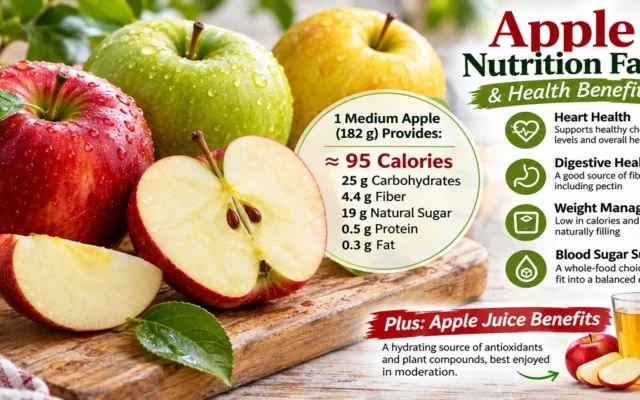
Apple nutrition facts: A medium apple with its skin contains approximately 95 calories, 25 grams of carbohydrates, 4.4 grams…
Read guide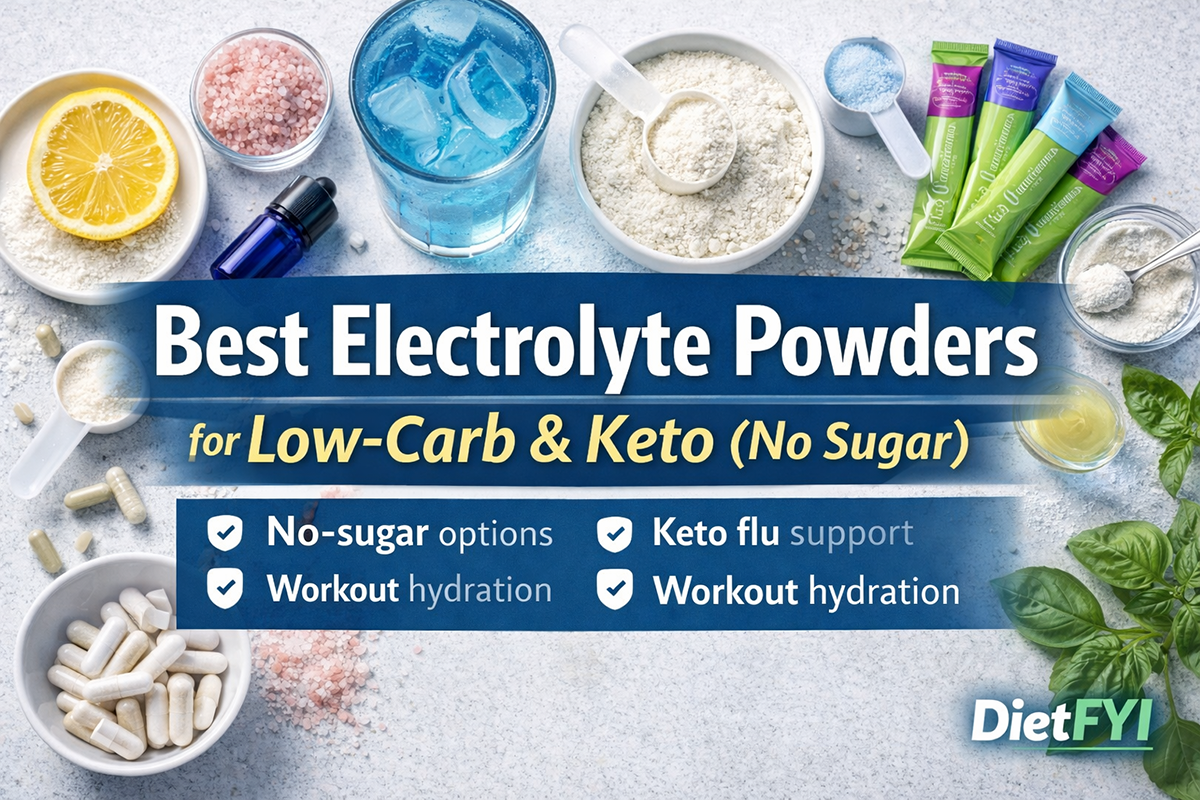
How to Choose Sugar-Free Electrolyte Powders for Low-Carb and Keto Diets Last updated: February 2026 • Fredrick No-sugar options…
Read guide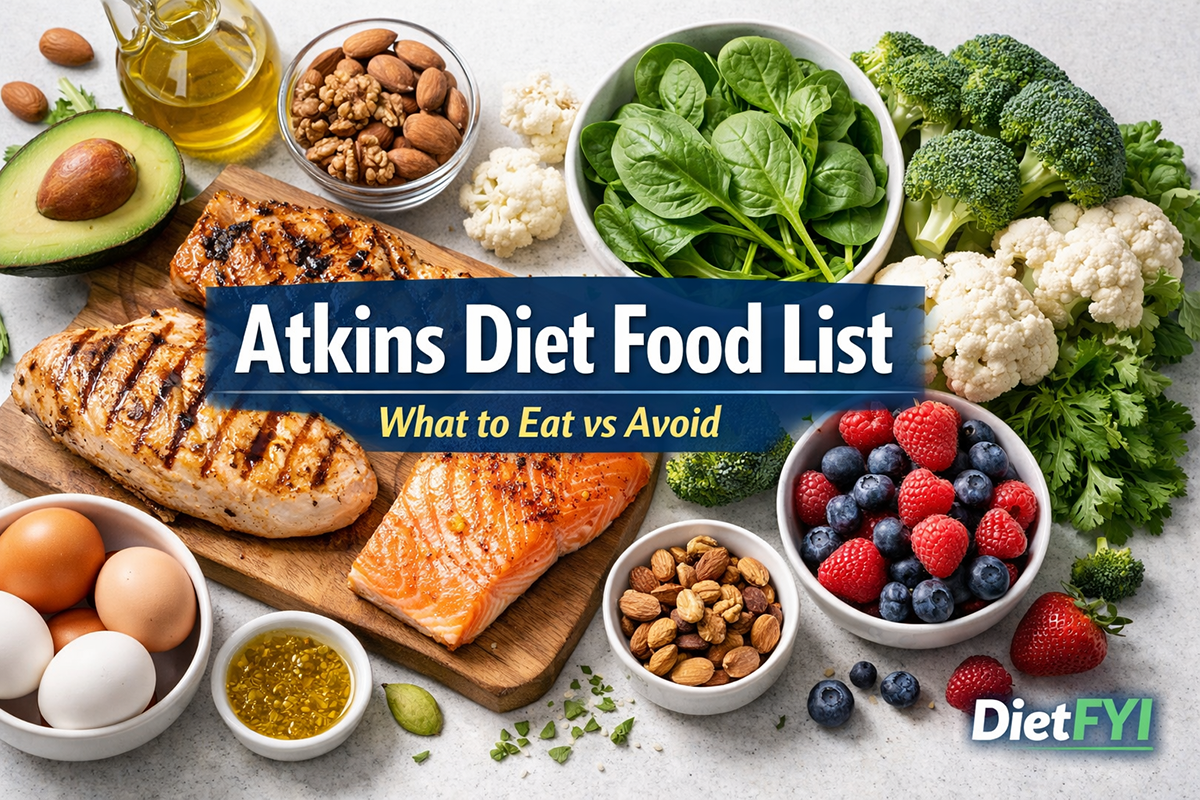
Atkins Diet Food List: What to Eat and What to Avoid for Effective Weight Loss (Updated) The Atkins Diet…
Read guide
Intermittent fasting has become a popular trend in the health and wellness industry, with many people swearing by its…
Read guide
Polycystic Ovary Syndrome (PCOS) is a common hormonal disorder affecting women of reproductive age. One of the key factors…
Read guide
The Paleo diet, also known as the caveman diet, focuses on eating whole, unprocessed foods that mimic what our…
Read guide
Following a keto diet doesn’t have to be complicated or time-consuming, especially on busy weeknights when you’re short on…
Read guide
The Mediterranean diet has gained popularity in recent years due to its numerous health benefits and delicious cuisine. This…
Read guide
Atkins and Keto diets have become increasingly popular in recent years due to their effectiveness in promoting weight loss…
Read guideFind grounded answers to everyday questions. Our detailed guides explain the practical steps and relevant cautions in more depth.
There is no perfect diet for everyone. Eating patterns emphasizing vegetables, fruit, whole grains, legumes, nuts, appropriate protein and unsaturated fats are generally well supported. Individual medical needs, preferences and culture matter. The Mediterranean diet is one flexible example.
Either approach may help some people manage weight when it supports sustainable eating habits. Keto is substantially more restrictive in carbohydrate intake, while Mediterranean-style eating is more flexible. Long-term adherence, nutrition adequacy and medical suitability should drive the choice.
No food or supplement can reliably target fat loss from a specific body area. Sustainable overall weight management, strength training, aerobic activity, sleep and appropriate medical care are more relevant than spot-reduction claims.
Not automatically. Supplement needs depend on your diet, health status, medicines and whether specific nutrient gaps exist. Discuss a suspected deficiency or safety concern with a qualified healthcare professional.
Start with foods you enjoy and can access, repeat a few simple meals, include adequate protein and fiber, and make adjustments based on energy needs and health considerations. A plan should be flexible enough to follow beyond the first week.